Most of the buyers I work with are relocating from somewhere else. This page is the practical version — what a realistic budget looks like, why I won't show homes until you're pre-approved, how we tour from a distance, and what actually happens between an accepted offer and the keys.
The single most common mistake I see from people relocating is to start with the listing — three bedrooms, a porch, a price that looks right — and try to figure out the neighbourhood after. It almost always goes the wrong way around. You end up with a house you like in a place that doesn't fit your life, and the daily friction is the part you can't renovate.
I work four areas I can actually speak to on foot. Read each one before you fall in love with a Zillow photo. Often the neighbourhood you didn't expect is the one that ends up feeling like yours.
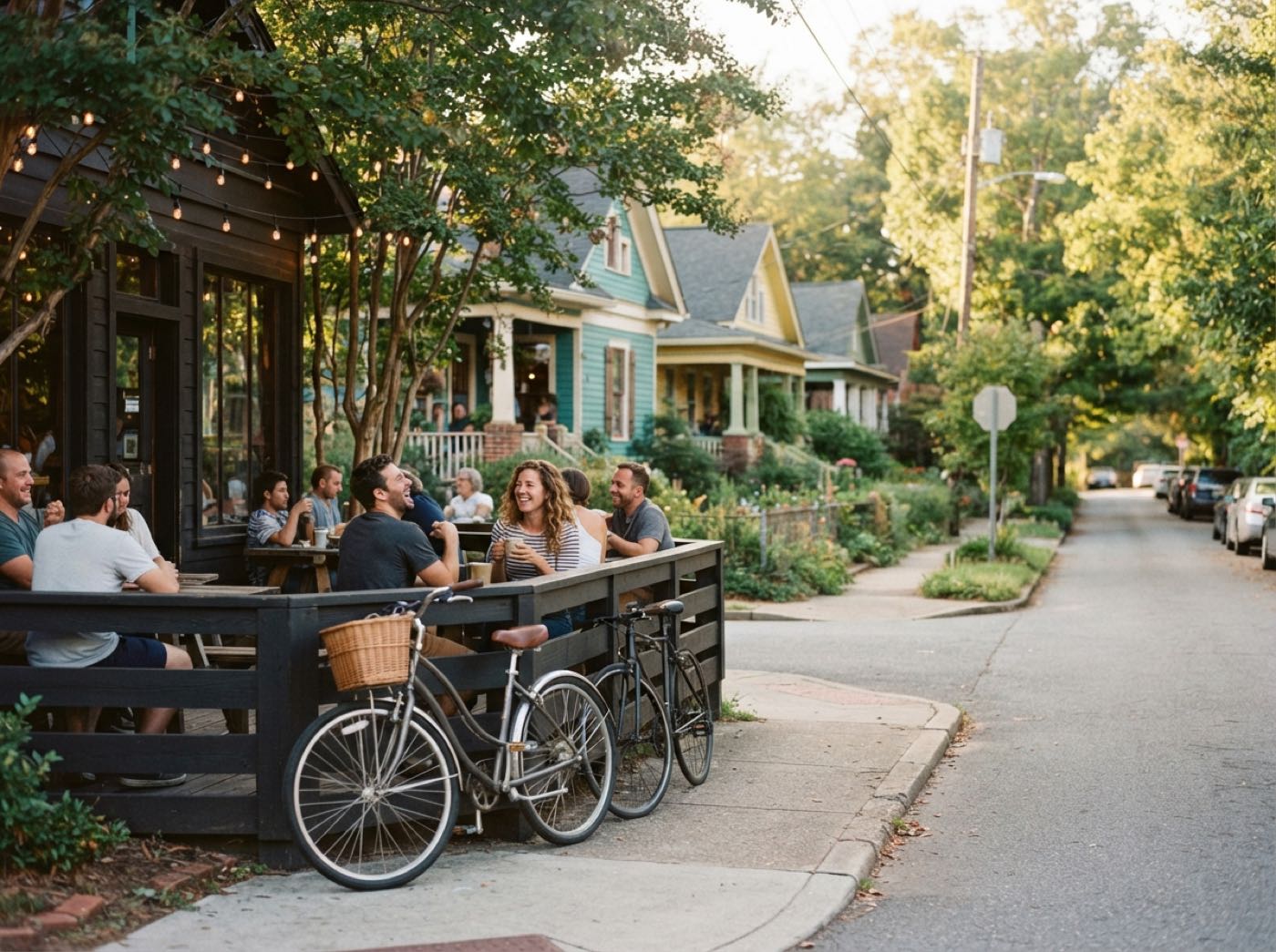
1920s bungalows and new infill, with Haywood Road as the spine. Most sales this year: $425K – $700K.
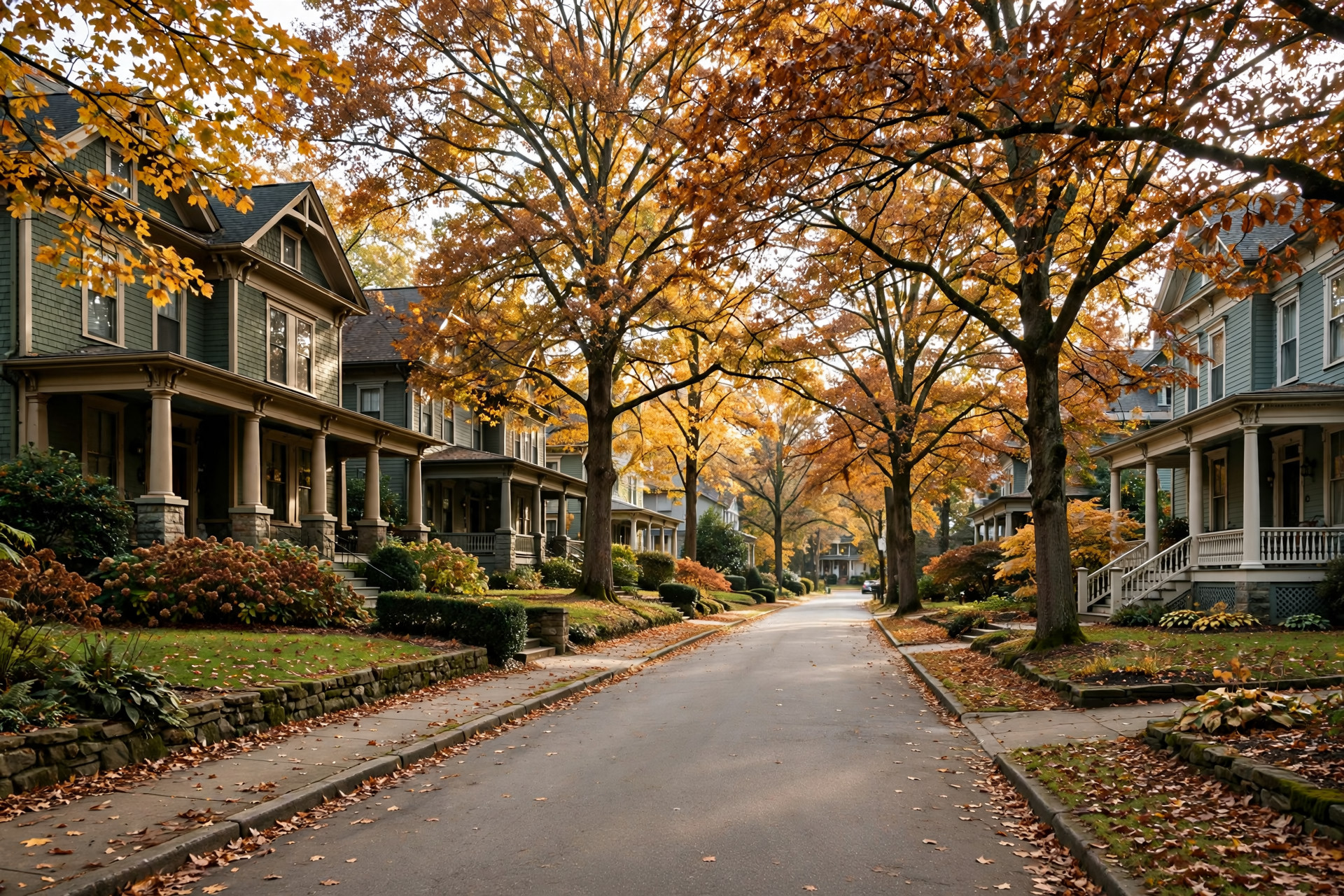
1920s–1950s brick and craftsman on big leafy lots, near UNC Asheville and the Grove Park Inn. Most sales: $550K – $1.1M.
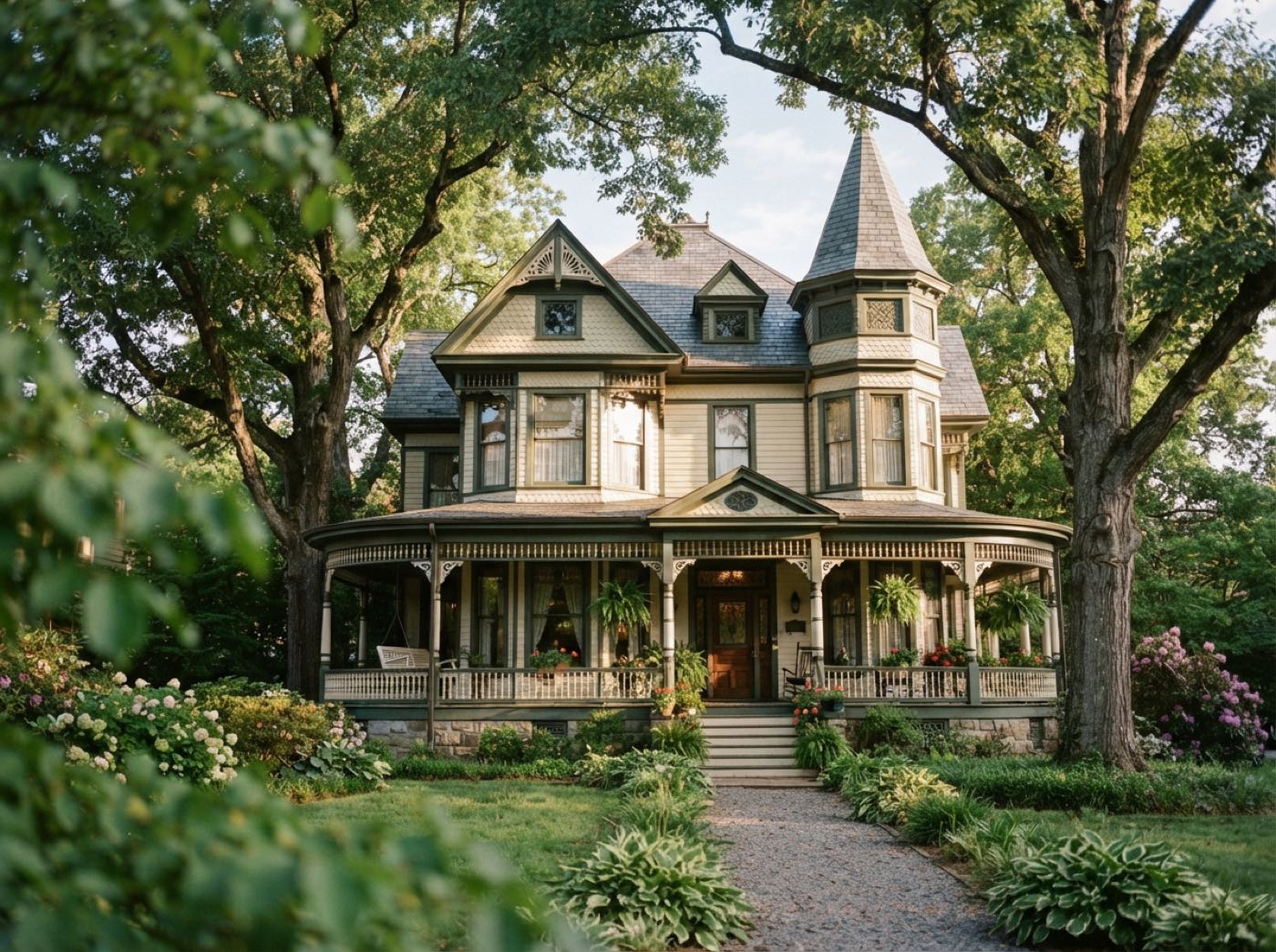
A historic district of Victorians and Arts and Crafts, with Montford Park and summer Shakespeare. Most sales: $600K – $1.3M.
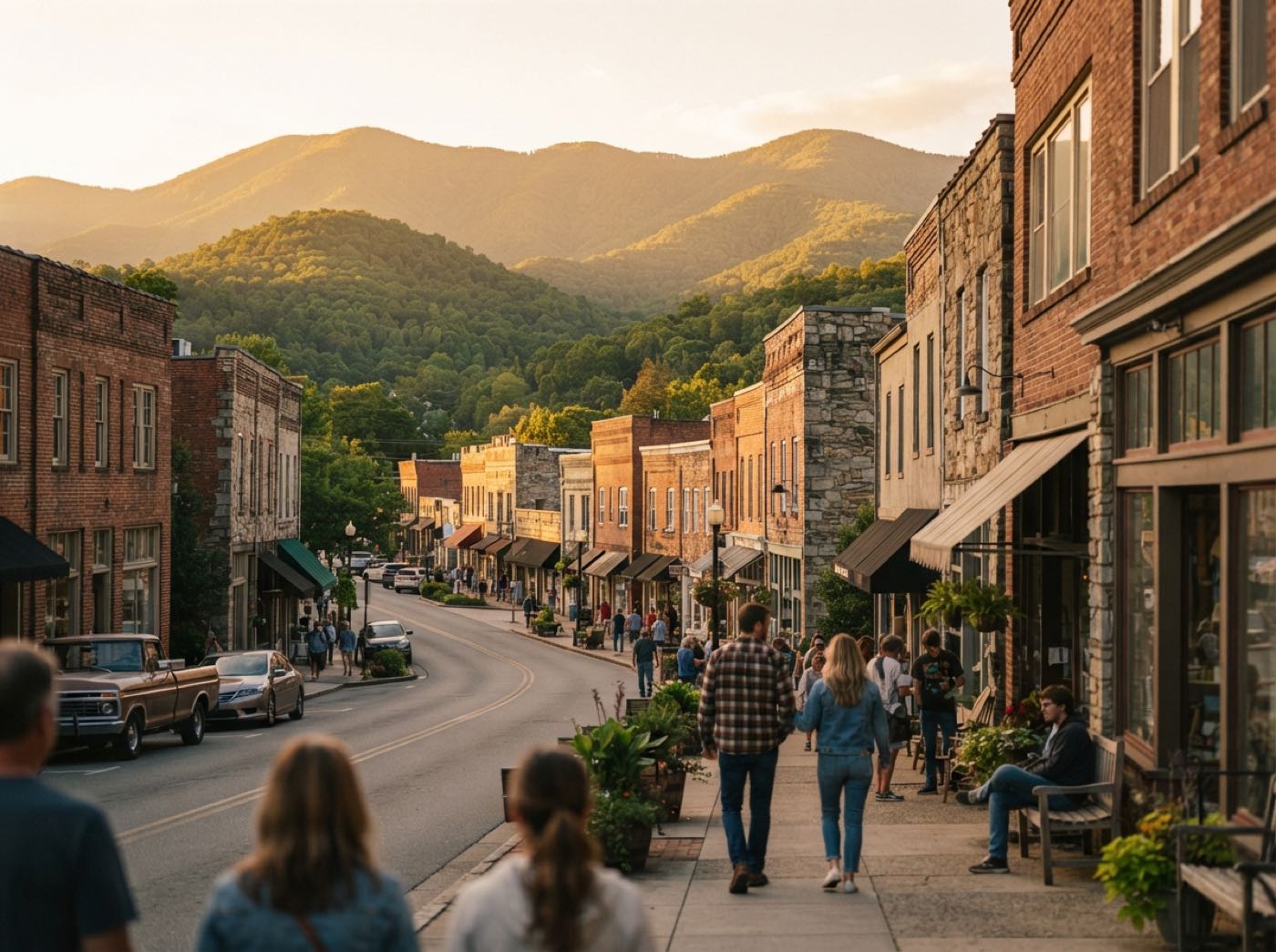
Twenty minutes east on I-40. Older cottages and newer hillside homes, Lake Tomahawk and Cherry Street. Most sales: $380K – $650K.
"What does a house cost in Asheville?" is a question without an answer, because the four areas I work don't really overlap. A budget that buys a nice bungalow in Black Mountain is a down payment in Montford. The range you care about isn't a citywide number — it's a neighbourhood-shaped one.
The price ranges I have on each of the four neighbourhood pages are the most honest thing I can put on a website, because they're where the actual sales have landed this year. They'll move a little by the time you read this, and I'll tell you that on the phone.
What most relocating buyers haven't priced in yet: property taxes, insurance (mountain homes sometimes need more than you'd expect — fire, wind, the occasional flood), a home warranty, and closing costs that come on top of your down payment. None of these are surprises if we sit down and run them before you start looking. They are surprises if we don't.
I won't quote you a tax rate or an insurance number on this page, because both depend on the specific house. But on our first call I'll ask your lender for a real monthly number, and we'll work backwards from there. That's the budget we'll search against — not the headline number.
This is the one part of the page that sounds like a rule, and it is. I won't write an offer or spend a Saturday driving you through homes until you're pre-approved by a lender — not a "pre-qualified" letter from a website, but a real pre-approval, with the letter in hand.
Three reasons.
Yours. Until a lender has actually run your numbers, neither of us knows what you can borrow. Touring homes in a range that turns out to be 20% off is a waste of a Saturday, and it's discouraging in a way that's hard to walk back.
The seller's. In a competitive week — and most weeks here are competitive — a seller choosing between two offers is going to pick the one with the pre-approval letter. Not because the other buyer isn't serious, but because the seller has no way to know. The pre-approval isn't gatekeeping; it's the basic language of the transaction.
The local part that matters. A pre-approval from a lender who actually closes loans in this market — and who'll pick up the phone when something goes sideways at underwriting — is worth more than a slightly higher number from a national online lender. I'll give you the names of two or three I trust. You pick the one whose rate and service you like. Then we start looking.
Most of my buyer relationships begin with you on one screen and me on the other. We'll do live video walk-throughs on the houses that look right — I'll hold the phone, narrate, open every closet, kneel down at the grout, show you the neighbours' fence and what's on the other side of it. By the end of a good video tour, you know that house almost as well as if you'd been in it.
But the camera is a liar in a few specific ways, and that's where I earn my keep. Before I'd ever recommend you fly out, I go in person and check the things a phone can't:
When the right house shows up and we're ready, I'll pull the comparable sales — the actual closed prices of similar homes in the same neighbourhood over the last few months — and we'll look at them together. I'll tell you what I think the house will appraise for and what the seller is likely to accept. Then you'll decide what to offer. The number is always yours, not mine.
On a competitive listing you may want to think about an escalation clause (I'll walk you through exactly how that reads), a shorter inspection period, or a larger earnest-money deposit. We'll talk through the trade-offs of each. I won't tell you to bid above the comparable sales "to show commitment" — that costs you real money and isn't how winning offers usually get written here anyway. Clean, well-priced, well-explained offers tend to do better than emotional ones.
I'll write the contract, send it to your lender and the title company the same night, and copy you on every email. If the seller comes back with a counter, we'll talk before I send anything back. You won't be in the dark on a day that matters.
You'll have a 7–14 day inspection period (we'll negotiate the length in the offer). I'll give you the names of two or three inspectors I've worked with; you pick one. They spend 2–3 hours in the house and produce a report that is, frankly, terrifying to read the first time. Most of what they find is small. Some of it is not. I'll go through the report with you line by line, and we'll decide together what to ask the seller to fix, what to ask for in credit, and what to walk away from. You can lose a deal in this window, and that's not a failure — it's the window existing for a reason.
Your lender orders an appraisal — an independent opinion of value, from an appraiser they choose, paid for by you. The appraiser goes through the house and the comps and comes back with a number. Most of the time it lands close to the contract price, and we move on. Sometimes it comes in low, and the deal has to be renegotiated: the seller can come down, you can come up with the difference, or you can meet in the middle. It happens, and it isn't the end of the world — but it's the moment where having a local lender who can call the appraiser actually matters.
30–45 days from accepted offer, in most cases. The lender finalises the loan, the title company runs the search, and you do a final walk-through of the house the day before or the morning of. At the table (or, more often these days, on a video call) you'll sign a stack of documents, wire your down payment and closing costs, and get the keys. Bring a photo ID and a pen. The title company will tell you everything else.
I'll be on the call, and I'll be the one you text at 9pm the night before if a question comes up. That's the part of the job I actually like.
There's no intake queue and no automated welcome. A real person (me) reads every message and answers every phone call. Tell me a little about where you are now and what you're thinking, and we'll take it from there.
If you'd rather just call, please just call: (828) 555-0142.